


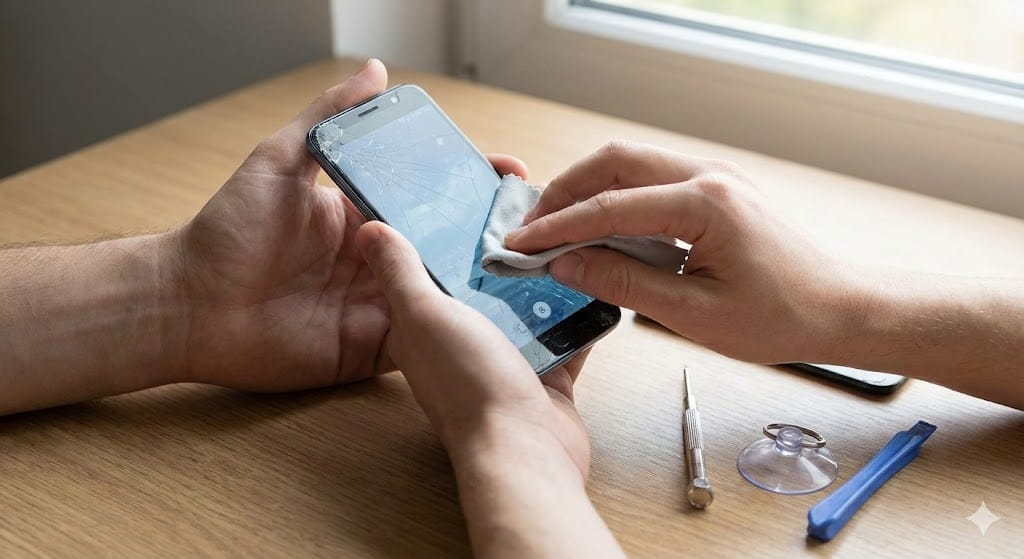
Touchscreen not responding on smartphones, phone touch screen not working, touchscreen not responding fix, smartphone screen not detecting touch, how to fix unresponsive phone screen, touchscreen lagging or freezing, mobile touch problems — these are among the most common smartphone issues users experience today. Since smartphones rely entirely on touchscreen functionality, any touch response failure can severely impact communication, productivity, and entertainment.
Touchscreen problems can occur due to software glitches, physical damage, screen protector interference, moisture exposure, or internal hardware faults. Fortunately, many touchscreen issues can be resolved without professional repair. This comprehensive step-by-step guide explains why smartphone touchscreens stop responding, how to identify the cause, and proven solutions to fix touchscreen problems on both Android and iPhone devices.
Understanding How Smartphone Touchscreens Work
Modern smartphones use capacitive touchscreen technology that detects electrical signals from human skin. The screen contains multiple touch sensors that detect finger movement and convert it into digital commands.
Touchscreen Function Process
- Finger touches screen surface
- Electrical signal changes detected
- Signal transmitted to processor
- Software converts signal into action
If any of these stages fail, the touchscreen may stop responding.
Common Signs of Touchscreen Not Responding
Recognizing symptoms helps identify the root cause faster.
Touchscreen Problem Symptoms
- Screen does not respond to touch
- Touch delay or lag
- Ghost touches (screen taps itself)
- Partial screen touch not working
- Screen freezes randomly
- Screen responds incorrectly
Main Causes of Touchscreen Not Responding
Below is a summary of common touchscreen issues:
| Cause | Description | Difficulty Level |
|---|---|---|
| Software Glitches | Temporary system bugs | Easy |
| Screen Protector Problems | Interference with touch sensors | Easy |
| Moisture or Dirt | Blocks touch sensitivity | Easy |
| App Conflicts | Third-party software errors | Medium |
| Physical Screen Damage | Cracked or damaged display | Hard |
| Water Damage | Internal circuit failure | Hard |
Step-by-Step Guide to Fix Touchscreen Not Responding
Step 1: Restart Your Smartphone
Restarting is the simplest and most effective solution.
Why Restarting Works
- Clears temporary memory errors
- Stops background software conflicts
- Refreshes touchscreen drivers
- Resets system processes
How to Restart
- Turn off phone completely
- Wait 30 seconds
- Turn phone back on
Step 2: Clean the Screen Properly
Dirt, oil, or moisture can block touch sensitivity.
How to Clean Smartphone Screen
- Turn off device
- Use microfiber cloth
- Lightly damp cloth with screen-safe cleaner
- Remove fingerprints and dust
Avoid using excessive water or harsh chemicals.
Step 3: Remove Screen Protector or Phone Case
Low-quality or damaged screen protectors often cause touch problems.
Signs Screen Protector Causes Touch Issues
- Touch delay after installing protector
- Touch works after pressing harder
- Screen edges become unresponsive
Remove protector and test touchscreen again.
Step 4: Check for Moisture or Water Exposure
Water interferes with capacitive touch sensors.
Moisture Troubleshooting Steps
- Turn off phone immediately
- Dry device with soft cloth
- Leave phone in dry environment
- Avoid using hair dryers or heat sources
Step 5: Check for Physical Screen Damage
Cracks or internal display damage affect touch functionality.
Signs of Screen Hardware Damage
- Visible cracks or broken glass
- Ink-like black spots on display
- Screen flickering
- Partial touch failure
Screen replacement may be required in these cases.
Step 6: Close Background Applications
Heavy apps may overload touchscreen processing.
How to Close Apps
Android
- Open Recent Apps menu
- Close unused apps
iPhone
- Swipe up from bottom
- Close running apps
Step 7: Update Smartphone Operating System
Software updates often fix touchscreen bugs.
Why Updates Improve Touchscreen Performance
- Fix system errors
- Improve hardware compatibility
- Optimize touch sensor calibration
Always install latest OS updates.
Step 8: Remove Problematic Apps
Some apps interfere with touchscreen responsiveness.
Signs App Causes Touch Issues
- Touch problem starts after installing app
- Touch works normally in safe mode
- Touchscreen freezes while using specific apps
Uninstall suspicious or recently installed apps.
Step 9: Test Touchscreen in Safe Mode (Android)
Safe mode disables third-party applications.
How to Enter Safe Mode
- Press power button
- Tap Safe Mode
- Test touchscreen
If touchscreen works in safe mode, third-party app causes problem.
Step 10: Calibrate Touchscreen
Touch calibration improves touch accuracy.
Touch Calibration Tools
- Built-in calibration tools (some Android devices)
- Third-party calibration apps
⚠️ iPhones automatically calibrate touchscreen and do not offer manual calibration.
Step 11: Remove External Accessories
Accessories such as gloves or stylus pens may cause touch detection failure.
Step 12: Reset Smartphone Settings
Resetting settings resolves deep software conflicts.
How to Reset Settings
Android
- Settings → System → Reset Options → Reset All Settings
iPhone
- Settings → General → Transfer or Reset iPhone → Reset All Settings
This does not delete personal data.
Step 13: Factory Reset Smartphone (Last Resort)
Factory reset removes severe software corruption.
Before Reset
- Backup all data
- Ensure battery above 50%
- Remove accounts
Android vs iPhone Touchscreen Troubleshooting Differences
| Feature | Android | iPhone |
|---|---|---|
| Touch Calibration | Available on some devices | Automatic |
| Safe Mode Testing | Available | Not available |
| System Customization | Flexible | Limited |
| Software Reset Control | Advanced | Simplified |
Common Touchscreen Problems by Device Type
Gaming Smartphones
- High refresh rates increase touch sensitivity issues
- Overheating affects touch accuracy
Foldable Smartphones
- Screen hinge areas may develop touch failure
Budget Smartphones
- Lower-quality touch sensors more prone to failure
Advanced Troubleshooting Techniques
Test Touchscreen Using Diagnostic Apps
Diagnostic apps help identify dead zones and touch delays.
Perform Hardware Diagnostic Tests
Many manufacturers provide built-in hardware testing tools.
Signs of Serious Hardware Damage
You may need professional repair if:
- Touchscreen completely stops working
- Screen shows random ghost touches
- Screen cracked severely
- Phone exposed to water or physical shock
Estimated Cost of Touchscreen Repair
| Device Type | Estimated Cost |
|---|---|
| Budget Android Phone | $40 – $120 |
| Premium Android Phone | $120 – $300 |
| iPhone Screen Replacement | $150 – $400 |
Preventive Tips to Avoid Touchscreen Problems
Daily Smartphone Care Checklist
- Use high-quality screen protectors
- Avoid dropping phone
- Keep screen clean
- Avoid water exposure
- Update software regularly
How Overheating Affects Touchscreen Performance
Excessive heat may reduce touch sensitivity or cause ghost touches.
Overheating Prevention Tips
- Avoid gaming for long hours
- Do not charge phone under pillow
- Keep phone in cool environment
Future Smartphone Touchscreen Technology
Upcoming touchscreen improvements include:
- AI-based touch prediction
- Improved water-resistant touch sensors
- Foldable and flexible display improvements
- Enhanced pressure-sensitive displays
How User Behavior Affects Touchscreen Performance
Activities That Cause Touchscreen Problems
- Using phone with wet fingers
- Applying excessive screen pressure
- Using poor-quality accessories
- Ignoring software updates
Conclusion
Experiencing touchscreen not responding on smartphones can severely impact smartphone usability. Fortunately, most touchscreen issues occur due to software glitches, screen contamination, moisture exposure, or accessory interference. By following structured troubleshooting steps such as restarting device, cleaning screen, removing screen protectors, updating software, and resetting settings, most touchscreen problems can be resolved easily.
If touchscreen problems persist after troubleshooting, hardware damage or water exposure may be responsible. Regular device maintenance, proper handling, and protective accessories significantly improve touchscreen reliability and lifespan.
Frequently Asked Questions (FAQ)
Why is my phone touchscreen not responding?
Touchscreen issues usually occur due to software glitches, screen dirt, moisture, or physical screen damage.
Can screen protectors cause touchscreen problems?
Yes. Low-quality or damaged screen protectors can reduce touch sensitivity.
How do I fix touchscreen lag on my smartphone?
Restart phone, clean screen, close background apps, and update software.
Does water damage affect touchscreen functionality?
Yes. Moisture interferes with touch sensors and may cause permanent damage.
Should I factory reset phone to fix touchscreen problems?
Factory reset helps resolve software conflicts but should be used as last option.
Can overheating cause touchscreen failure?
Yes. Excessive heat can reduce touch accuracy and responsiveness.