


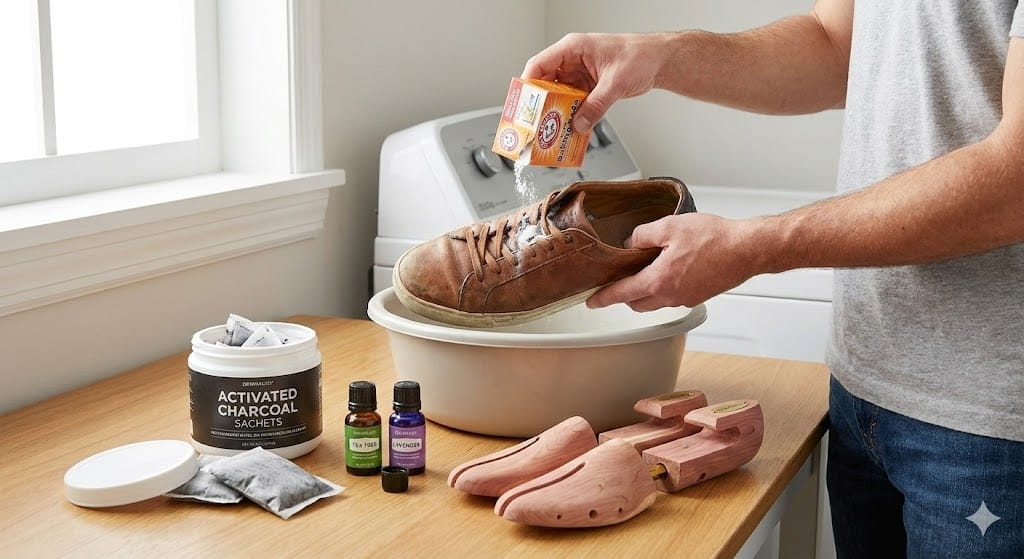
How to remove bad smell from shoes permanently, eliminate shoe odor naturally, shoe smell removal methods, how to stop shoes from smelling, foot odor prevention tips, best ways to deodorize shoes, and permanent shoe odor solutions are among the most searched hygiene and lifestyle topics today. Shoe odor is a common problem caused by sweat, bacteria, moisture buildup, and poor ventilation. Smelly shoes can cause embarrassment, discomfort, and hygiene concerns, especially for people who wear shoes for long hours daily.
Fortunately, shoe odor is not permanent. By understanding the causes of bad shoe smell and applying proper cleaning, drying, and prevention methods, you can eliminate odor completely and keep shoes fresh for long periods. This comprehensive step-by-step guide explains how to remove bad smell from shoes permanently, natural and chemical odor removal techniques, and long-term shoe hygiene strategies.
Why Shoes Develop Bad Smell
Shoes trap moisture and heat, creating the perfect environment for bacteria and fungi to grow. These microorganisms break down sweat and release unpleasant odor.
Main Causes of Shoe Odor
- Excessive foot sweating
- Bacterial and fungal growth
- Wearing shoes without socks
- Poor shoe ventilation
- Moisture accumulation
- Wearing same shoes daily
- Poor foot hygiene
Signs Your Shoes Need Odor Removal Treatment
Recognizing odor buildup early prevents long-term contamination.
Common Symptoms of Smelly Shoes
- Strong unpleasant smell after removing shoes
- Shoes smell even when clean outside
- Odor transfers to socks
- Shoes feel damp inside
- Increased foot sweating
Types of Shoe Odor Based on Cause
| Odor Type | Cause | Difficulty to Remove |
|---|---|---|
| Sweat Odor | Moisture buildup | Easy |
| Bacterial Odor | Poor hygiene | Medium |
| Fungal Odor | Athlete’s foot infection | Hard |
| Mold Odor | Wet shoe storage | Hard |
Step-by-Step Guide to Remove Bad Smell from Shoes Permanently
Step 1: Deep Clean the Shoes
Cleaning removes bacteria and odor-causing residue.
How to Clean Shoes Properly
- Remove insoles and laces
- Wash insoles separately
- Use mild soap and warm water
- Scrub inside shoe gently
- Rinse and dry completely
Always follow manufacturer cleaning instructions.
Step 2: Dry Shoes Completely
Moisture is the main cause of odor.
Effective Shoe Drying Methods
- Air dry shoes in sunlight
- Place shoes near ventilation area
- Stuff shoes with newspaper to absorb moisture
⚠️ Avoid using high heat dryers, which may damage shoe material.
Step 3: Use Baking Soda for Odor Removal
Baking soda neutralizes odor and absorbs moisture.
How to Use Baking Soda
- Sprinkle baking soda inside shoes
- Leave overnight
- Shake or vacuum excess powder
Step 4: Apply White Vinegar Spray
Vinegar kills odor-causing bacteria and fungi.
Vinegar Shoe Spray Recipe
- Mix equal parts water and white vinegar
- Spray inside shoes lightly
- Allow shoes to dry naturally
Step 5: Use Activated Charcoal Odor Absorbers
Activated charcoal absorbs strong odors and moisture.
Benefits of Charcoal Shoe Deodorizers
- Long-lasting odor control
- Natural moisture absorption
- Safe for all shoe types
Step 6: Freeze Shoes to Kill Bacteria
Cold temperatures destroy odor-causing microorganisms.
How Freezing Shoes Works
- Place shoes in sealed plastic bag
- Keep in freezer overnight
- Remove and air dry before use
Step 7: Replace or Clean Shoe Insoles
Insoles trap most sweat and bacteria.
Signs Insoles Need Replacement
- Persistent odor after cleaning shoes
- Visible wear or damage
- Moisture retention
Step 8: Use Antibacterial Shoe Sprays
Commercial deodorizing sprays eliminate odor bacteria quickly.
Benefits of Shoe Deodorizing Sprays
- Immediate odor control
- Antibacterial protection
- Long-lasting freshness
Step 9: Wash Shoe Laces Regularly
Laces absorb sweat and odor over time.
Lace Cleaning Method
- Remove laces
- Wash with detergent
- Air dry before reattaching
Step 10: Practice Proper Foot Hygiene
Healthy feet prevent shoe odor from returning.
Foot Hygiene Tips
- Wash feet daily
- Dry feet thoroughly
- Use antifungal foot powder
- Trim toenails regularly
Step 11: Rotate Shoes Daily
Wearing the same shoes daily prevents moisture evaporation.
Shoe Rotation Benefits
- Allows shoes to dry completely
- Reduces bacterial growth
- Extends shoe lifespan
Step 12: Wear Moisture-Wicking Socks
Socks reduce sweat contact with shoes.
Best Socks for Odor Prevention
| Sock Material | Odor Control Ability |
|---|---|
| Cotton | Moderate |
| Wool | High |
| Synthetic moisture-wicking fabric | High |
Step 13: Store Shoes Properly
Improper storage traps moisture and odor.
Shoe Storage Tips
- Store shoes in ventilated areas
- Avoid sealed plastic containers
- Use silica gel moisture absorbers
Step 14: Use Essential Oils for Natural Freshness
Essential oils provide antibacterial and antifungal benefits.
Best Essential Oils for Shoe Odor
- Tea tree oil
- Lavender oil
- Eucalyptus oil
Add few drops to cotton balls and place inside shoes overnight.
Step 15: Use Shoe Deodorizing Inserts
Special inserts neutralize odor continuously.
Natural vs Chemical Shoe Odor Removal Methods
| Method | Effectiveness | Safety |
|---|---|---|
| Baking Soda | High | Safe |
| Vinegar Spray | High | Safe |
| Essential Oils | Moderate | Safe |
| Chemical Sprays | Very High | Moderate |
Common Mistakes That Cause Shoe Odor
Odor-Causing Habits
- Wearing shoes without socks
- Storing wet shoes
- Ignoring foot hygiene
- Wearing same shoes daily
How Sweat Contributes to Shoe Odor
Human feet contain thousands of sweat glands. Sweat itself is odorless but creates bacteria-friendly moisture inside shoes.
Best Shoe Materials for Odor Prevention
Breathable Shoe Materials
- Mesh fabric
- Leather
- Canvas
Odor-Prone Shoe Materials
- Synthetic plastic materials
- Non-breathable rubber
How Climate Affects Shoe Odor
Warm and humid environments increase bacterial growth and sweating, making odor more likely.
Advanced Shoe Odor Removal Techniques
UV Shoe Sanitizers
UV devices kill bacteria using ultraviolet light.
Ozone Shoe Deodorizing Machines
Ozone treatment removes deep odor and kills microorganisms.
Estimated Odor Removal Effectiveness
| Treatment Level | Odor Removal Result |
|---|---|
| Basic Cleaning | 40% – 60% |
| Natural Treatment Combination | 60% – 85% |
| Professional Sanitizing | 85% – 100% |
Preventive Maintenance Routine for Shoes
Daily Shoe Care Checklist
- Air dry shoes after use
- Use deodorizing inserts
- Wear clean socks
Weekly Shoe Care Checklist
- Clean insoles
- Apply deodorizing powder
- Check shoe ventilation
When Shoe Odor Indicates Medical Problem
Persistent strong odor may indicate fungal infections like athlete’s foot. Medical treatment may be required.
Long-Term Shoe Hygiene Strategies
Habits for Permanent Odor Prevention
- Maintain foot hygiene
- Rotate footwear
- Store shoes properly
- Use odor control products regularly
How Lifestyle Affects Shoe Odor
People with active lifestyles or physically demanding jobs often experience higher shoe odor risk due to prolonged shoe use and excessive sweating.
Future Innovations in Shoe Odor Prevention
Modern footwear industry focuses on:
- Antibacterial shoe lining
- Smart moisture control materials
- Breathable shoe design improvements
- Built-in odor neutralizing technology
Conclusion
Learning how to remove bad smell from shoes permanently helps maintain hygiene, comfort, and confidence. Shoe odor is primarily caused by moisture, bacteria, and poor ventilation. By applying structured odor removal techniques such as deep cleaning, drying, baking soda treatment, vinegar sprays, proper foot hygiene, and shoe rotation, most shoe odor problems can be eliminated completely.
Consistent shoe maintenance, breathable footwear choices, and daily hygiene habits remain essential for long-term odor prevention.
Frequently Asked Questions (FAQ)
Why do my shoes smell bad even after cleaning?
Persistent odor usually occurs due to bacteria trapped in insoles or moisture remaining inside shoes.
Does baking soda remove shoe odor permanently?
Yes. Baking soda absorbs moisture and neutralizes odor effectively when used regularly.
Can vinegar damage shoes?
When diluted properly, vinegar safely removes bacteria and odor without damaging most shoe materials.
How often should I clean my shoes to prevent odor?
Basic cleaning should be done weekly, while deep cleaning should be done monthly.
Do socks help prevent shoe odor?
Yes. Moisture-wicking socks reduce sweat buildup and prevent bacterial growth.
Can freezing shoes really remove odor?
Yes. Freezing kills odor-causing bacteria and helps eliminate shoe smell.