


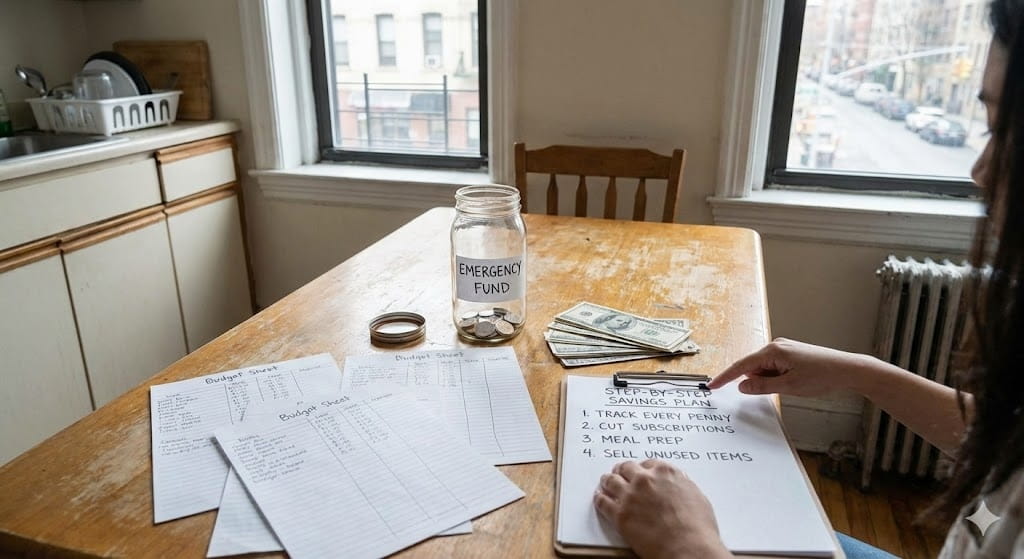
How to save money fast on a low income, saving money with little income, low income budgeting tips, fast ways to save money, how to build savings with low salary, money saving strategies for beginners, and step by step saving money plan are among the most searched personal finance topics today. Many individuals and families struggle to save money when income barely covers daily expenses. Rising living costs, debt payments, unexpected emergencies, and financial stress make saving money feel impossible.
However, saving money is not only about earning more — it is also about managing money smarter. Even with limited income, it is possible to build savings by applying structured budgeting strategies, expense reduction techniques, and disciplined financial habits. This complete step-by-step guide explains how to save money fast on a low income, practical saving techniques, budgeting methods, and realistic financial planning strategies that anyone can follow.
Why Saving Money Is Difficult on a Low Income
Saving money becomes challenging when essential expenses consume most earnings. Understanding financial barriers helps develop realistic saving strategies.
Common Financial Challenges for Low-Income Earners
- High living expenses
- Limited emergency funds
- Debt obligations
- Unpredictable income sources
- Lack of financial planning
- Unexpected medical or repair costs
Benefits of Saving Money Even With Low Income
Saving money provides long-term financial stability and peace of mind.
Advantages of Building Savings
- Emergency financial protection
- Reduced financial stress
- Better debt management
- Improved financial independence
- Ability to invest in future goals
Step-by-Step Guide to Save Money Fast on a Low Income
Step 1: Track Every Expense
Tracking spending is the foundation of financial control.
Why Expense Tracking Is Important
- Identifies unnecessary spending
- Helps create realistic budget plans
- Improves money awareness
- Reveals hidden financial leaks
How to Track Expenses
- Record daily spending
- Use budgeting apps or notebooks
- Review weekly spending habits
- Categorize expenses
Step 2: Create a Realistic Budget Plan
Budgeting allows you to control spending and prioritize saving.
Simple Budget Rule for Low Income
| Budget Category | Recommended Percentage |
|---|---|
| Essentials (Rent, Food, Utilities) | 60% |
| Debt Payments | 15% |
| Savings | 10% |
| Personal Spending | 15% |
Adjust percentages based on individual financial situations.
Step 3: Set Small and Achievable Saving Goals
Saving large amounts quickly may feel overwhelming.
Examples of Realistic Saving Goals
- Save $5 daily
- Save $100 monthly
- Build $1,000 emergency fund
- Save 10% of income
Small consistent savings grow significantly over time.
Step 4: Reduce Unnecessary Expenses
Cutting non-essential spending helps increase savings immediately.
Common Expenses to Reduce
- Subscription services
- Dining out frequently
- Impulse online shopping
- Premium entertainment services
- Expensive brand purchases
Step 5: Use the 24-Hour Spending Rule
Impulse purchases damage saving progress.
How the 24-Hour Rule Works
- Wait 24 hours before non-essential purchases
- Evaluate whether purchase is necessary
- Prevent emotional spending
Step 6: Automate Savings
Automatic saving removes temptation to spend.
How to Automate Savings
- Set automatic transfer to savings account
- Schedule savings on payday
- Use bank automatic saving features
Step 7: Reduce Food Expenses Smartly
Food spending often consumes large income portions.
Food Saving Tips
- Cook meals at home
- Buy groceries in bulk
- Avoid food waste
- Plan weekly meal schedules
Step 8: Lower Utility and Household Expenses
Utility bills significantly impact monthly budgets.
Utility Saving Methods
- Turn off unused electronics
- Use energy-efficient lighting
- Reduce water consumption
- Adjust heating and cooling usage
Step 9: Eliminate or Reduce Debt
Debt interest reduces saving ability.
Debt Reduction Strategies
- Pay highest interest debts first
- Negotiate payment plans
- Avoid new debt accumulation
Step 10: Increase Income Through Side Hustles
Extra income accelerates saving progress.
Popular Low-Cost Side Hustles
| Side Hustle | Income Potential |
|---|---|
| Freelancing | Medium – High |
| Online tutoring | Medium |
| Delivery services | Medium |
| Selling unused items | Quick cash |
| Remote micro tasks | Small steady income |
Step 11: Use Cash Envelope Budgeting Method
Cash budgeting helps control spending visually.
How Cash Envelope System Works
- Allocate cash to spending categories
- Use only allocated cash
- Stop spending when envelope is empty
Step 12: Build an Emergency Fund First
Emergency funds prevent debt during unexpected expenses.
Recommended Emergency Savings
- Minimum goal: $500 – $1,000
- Long-term goal: 3–6 months living expenses
Step 13: Avoid Lifestyle Inflation
Increasing spending after income increase prevents saving growth.
Lifestyle Inflation Examples
- Upgrading phone unnecessarily
- Moving to expensive housing
- Increasing luxury purchases
Step 14: Use Discount and Cashback Opportunities
Smart shopping reduces overall expenses.
Money Saving Shopping Techniques
- Use discount coupons
- Compare product prices online
- Use cashback apps
- Buy during seasonal sales
Step 15: Monitor Financial Progress Regularly
Tracking progress increases financial motivation.
Monthly Financial Review Checklist
- Review income and expenses
- Adjust saving goals
- Identify overspending areas
- Celebrate financial milestones
Budgeting Methods Comparison
| Budget Method | Best For | Difficulty |
|---|---|---|
| 50/30/20 Rule | Balanced budgeting | Easy |
| Zero-Based Budget | Full financial control | Medium |
| Cash Envelope Method | Overspending control | Easy |
Psychological Tips to Stay Motivated While Saving
Saving money requires strong discipline and mindset.
Motivation Strategies
- Visualize financial goals
- Reward small saving milestones
- Avoid comparing financial situations
- Track progress visually
Common Financial Mistakes Low-Income Earners Make
Mistakes That Prevent Saving
- Ignoring budget planning
- Using credit for unnecessary purchases
- Not tracking expenses
- Avoiding financial education
How Inflation Affects Low-Income Savings
Inflation reduces purchasing power and increases living costs. Saving regularly helps offset inflation impact.
Best Free Financial Tools for Budgeting
Recommended Budgeting Tools
- Mint budgeting app
- YNAB (You Need A Budget)
- Spreadsheet budgeting templates
- Bank financial tracking tools
Estimated Saving Results Based on Discipline Level
| Saving Discipline | Monthly Savings Potential |
|---|---|
| Basic Expense Control | 5% – 10% income |
| Moderate Budgeting | 10% – 20% income |
| Strict Financial Planning | 20% – 35% income |
Long-Term Financial Planning for Low-Income Earners
Financial Growth Steps
- Build emergency fund
- Eliminate debt
- Increase savings rate
- Start basic investing
- Improve income skills
Habits That Help Build Wealth on Low Income
Wealth Building Habits
- Consistent saving discipline
- Continuous financial education
- Smart spending habits
- Avoiding high-interest debt
When Saving Becomes Difficult
Saving becomes harder during emergencies or income loss. Adjust budget temporarily instead of stopping savings completely.
Future Financial Stability Strategies
Financial stability requires combining saving, income growth, and smart investment planning.
Conclusion
Learning how to save money fast on a low income step by step empowers individuals to build financial security despite income limitations. Saving money does not always require higher earnings — disciplined budgeting, expense reduction, automated saving, and smart financial habits create sustainable savings growth. By applying structured saving strategies, reducing unnecessary expenses, increasing income opportunities, and monitoring financial progress, anyone can build strong financial stability over time.
Consistency, patience, and realistic financial planning remain the most important factors for successful money saving on low income.
Frequently Asked Questions (FAQ)
Can you save money with a low income?
Yes. Budgeting, expense reduction, and consistent saving habits make saving possible even with limited income.
How much should low-income earners save monthly?
Saving 5% to 20% of income is a realistic goal depending on financial situation.
What is the fastest way to save money?
Tracking expenses, cutting unnecessary spending, and automating savings provide the fastest results.
Should I save money or pay off debt first?
High-interest debt should usually be prioritized, while maintaining small emergency savings.
Is budgeting necessary for saving money?
Yes. Budgeting helps control spending and ensures consistent saving progress.
Can side hustles help low-income earners save faster?
Yes. Extra income accelerates savings and improves financial stability.