


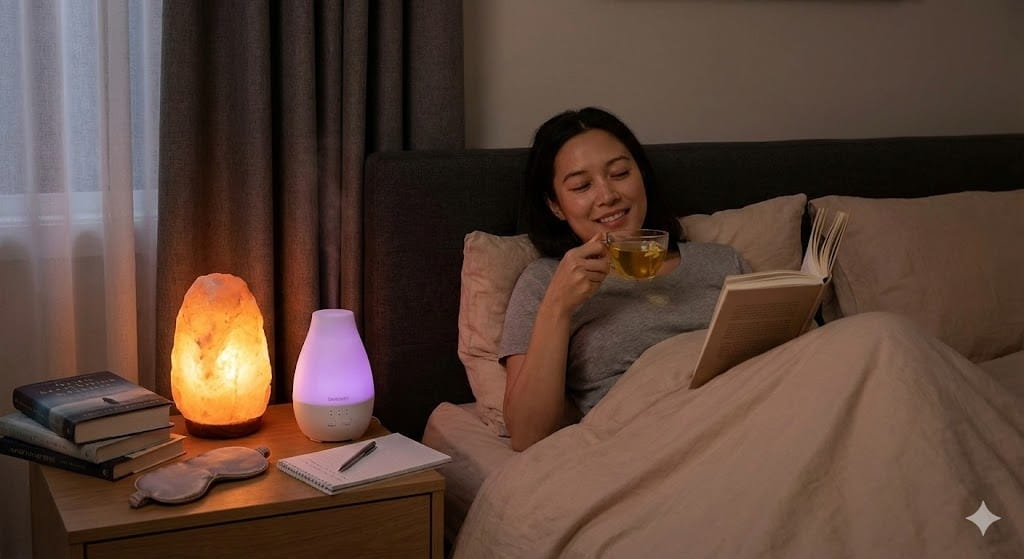
How to sleep faster at night without medication, natural ways to fall asleep quickly, sleep improvement tips without pills, how to fix insomnia naturally, fast sleep techniques, bedtime routine for better sleep, and natural sleep remedies are among the most searched health and wellness topics today. Many people struggle to fall asleep quickly due to stress, anxiety, excessive screen time, poor sleep habits, and irregular daily routines.
Sleep is essential for brain function, physical health, emotional stability, and productivity. While sleeping medications may provide temporary relief, natural sleep techniques offer safer, long-term solutions without side effects or dependency risks. This comprehensive guide explains how to sleep faster at night without medication, scientifically supported sleep strategies, relaxation techniques, lifestyle improvements, and effective bedtime habits that promote deep and restful sleep naturally.
Why People Struggle to Fall Asleep Quickly
Difficulty falling asleep, also known as sleep onset insomnia, can be caused by multiple physical and psychological factors.
Common Causes of Sleep Problems
- Stress and anxiety
- Excessive screen exposure before bedtime
- Irregular sleep schedule
- Caffeine or stimulant consumption
- Poor sleep environment
- Overthinking or mental overload
- Lack of physical activity
Benefits of Falling Asleep Faster Naturally
Health and Lifestyle Advantages
- Improves brain function and memory
- Boosts immune system
- Enhances mood stability
- Increases productivity
- Reduces stress levels
- Supports physical recovery
Step-by-Step Guide to Sleep Faster at Night Naturally
Step 1: Maintain a Consistent Sleep Schedule
The human body follows a circadian rhythm that controls sleep and wake cycles.
Why Sleep Schedule Matters
- Trains brain to fall asleep faster
- Improves sleep quality
- Reduces insomnia symptoms
Sleep Schedule Tips
- Go to bed and wake up at same time daily
- Avoid weekend sleep schedule changes
- Create fixed bedtime routine
Step 2: Reduce Screen Time Before Bed
Blue light from phones, tablets, and computers suppresses melatonin production, the hormone responsible for sleep.
Screen Reduction Techniques
- Stop screen use 1 hour before bedtime
- Use night mode or blue light filters
- Replace screen time with relaxing activities
Step 3: Create a Relaxing Bedtime Routine
Bedtime routines signal the brain to prepare for sleep.
Effective Bedtime Routine Activities
- Reading books
- Listening to calming music
- Taking warm shower
- Practicing meditation
- Writing gratitude journal
Step 4: Optimize Your Sleep Environment
Sleep environment directly affects sleep speed and quality.
Ideal Sleep Environment Conditions
| Factor | Recommended Condition |
|---|---|
| Room Temperature | 18–22°C (65–72°F) |
| Lighting | Dark or dim |
| Noise Level | Quiet or white noise |
| Mattress Comfort | Supportive and clean |
Step 5: Practice Deep Breathing Techniques
Breathing exercises calm the nervous system and reduce anxiety.
4-7-8 Breathing Technique
- Inhale for 4 seconds
- Hold breath for 7 seconds
- Exhale slowly for 8 seconds
- Repeat 4–6 times
Step 6: Limit Caffeine and Stimulants
Caffeine can remain active in the body for several hours.
Caffeine Control Tips
- Avoid caffeine after afternoon
- Reduce energy drink consumption
- Replace coffee with herbal tea at night
Step 7: Exercise Regularly
Physical activity improves sleep onset and quality.
Best Exercises for Better Sleep
- Walking
- Yoga
- Stretching
- Light strength training
Avoid intense workouts right before bedtime.
Step 8: Manage Stress and Anxiety
Stress is one of the biggest causes of sleep delay.
Stress Reduction Techniques
- Journaling thoughts
- Mindfulness meditation
- Progressive muscle relaxation
- Time management planning
Step 9: Use Natural Sleep Aids
Certain natural remedies promote relaxation and faster sleep.
Natural Sleep Enhancers
| Natural Aid | Sleep Benefit |
|---|---|
| Chamomile Tea | Promotes relaxation |
| Lavender Aromatherapy | Reduces anxiety |
| Magnesium | Supports muscle relaxation |
| Warm Milk | Encourages sleep hormones |
Step 10: Avoid Heavy Meals Before Bedtime
Large meals can cause digestive discomfort and delay sleep.
Night Eating Guidelines
- Avoid heavy meals 2–3 hours before sleep
- Limit spicy or acidic foods
- Choose light snacks if hungry
Step 11: Use Visualization Techniques
Visualization calms mental activity and promotes relaxation.
Visualization Sleep Method
Imagine peaceful environments such as beaches, forests, or calming landscapes.
Step 12: Try Progressive Muscle Relaxation
This technique reduces physical tension.
How Progressive Muscle Relaxation Works
- Tighten muscle groups for few seconds
- Slowly release tension
- Move through entire body
Step 13: Use White Noise or Calm Sounds
Background sounds block distractions and improve sleep speed.
Popular Sleep Sounds
- Rainfall sounds
- Ocean waves
- Soft instrumental music
- Nature sounds
Step 14: Limit Daytime Naps
Long naps reduce nighttime sleep pressure.
Nap Control Tips
- Limit naps to 20–30 minutes
- Avoid late afternoon naps
Step 15: Get Natural Sunlight Exposure
Sunlight regulates circadian rhythm and melatonin production.
Daily Routine That Supports Faster Sleep
| Time | Activity |
|---|---|
| Morning | Sunlight exposure and exercise |
| Afternoon | Productive tasks and hydration |
| Evening | Relaxation and screen reduction |
| Night | Bedtime routine and meditation |
Common Habits That Prevent Fast Sleep
Sleep Disrupting Habits
- Checking phone repeatedly
- Drinking caffeine late
- Sleeping in bright rooms
- Irregular bedtime schedules
How Mental Overthinking Affects Sleep
Excessive thoughts increase brain activity and delay relaxation.
Overthinking Control Methods
- Write thoughts before bedtime
- Practice mindfulness
- Use breathing exercises
Foods That Promote Better Sleep
- Bananas
- Almonds
- Oatmeal
- Turkey
- Herbal teas
Lifestyle Changes That Improve Sleep Speed
- Regular exercise routine
- Balanced diet
- Stress management
- Digital detox habits
Scientific Explanation of Sleep Cycle
Sleep consists of multiple stages including light sleep, deep sleep, and REM sleep. Falling asleep faster allows the body to complete full sleep cycles.
Long-Term Benefits of Natural Sleep Improvement
Health Improvements
- Stronger immune system
- Improved brain performance
- Better emotional stability
- Reduced risk of chronic diseases
Estimated Sleep Improvement Timeline
| Habit Consistency | Sleep Speed Improvement |
|---|---|
| Basic Changes | 20% – 30% |
| Structured Sleep Routine | 30% – 50% |
| Advanced Sleep Hygiene | 50% – 70% |
When Sleep Problems Require Medical Attention
Seek professional help if experiencing:
- Chronic insomnia
- Breathing problems during sleep
- Severe anxiety or depression
- Persistent sleep disorders
Future Trends in Natural Sleep Solutions
Modern research focuses on:
- Smart sleep tracking devices
- AI-based sleep optimization
- Personalized circadian rhythm programs
- Natural hormone balancing techniques
Conclusion
Learning how to sleep faster at night without medication requires consistent sleep hygiene, relaxation techniques, stress management, and healthy lifestyle habits. Natural sleep solutions such as breathing exercises, meditation, proper sleep environment, balanced diet, and regular routines help improve sleep onset and overall sleep quality safely and effectively.
By applying these scientifically supported strategies, individuals can achieve faster sleep, deeper rest, and long-term physical and mental health improvements without relying on sleeping pills.
Frequently Asked Questions (FAQ)
How long does it take to fall asleep naturally?
Most healthy adults fall asleep within 10 to 20 minutes under proper sleep conditions.
Does breathing exercise help fall asleep faster?
Yes. Deep breathing relaxes the nervous system and reduces anxiety, helping faster sleep onset.
What is the best natural drink for sleep?
Chamomile tea and warm milk are popular natural sleep-promoting beverages.
Does exercise improve sleep speed?
Regular physical activity improves sleep quality and reduces time needed to fall asleep.
Is it bad to use phone before sleeping?
Yes. Blue light exposure reduces melatonin production and delays sleep.
Can stress cause sleep delay?
Yes. Stress increases brain activity and prevents relaxation necessary for sleep.