


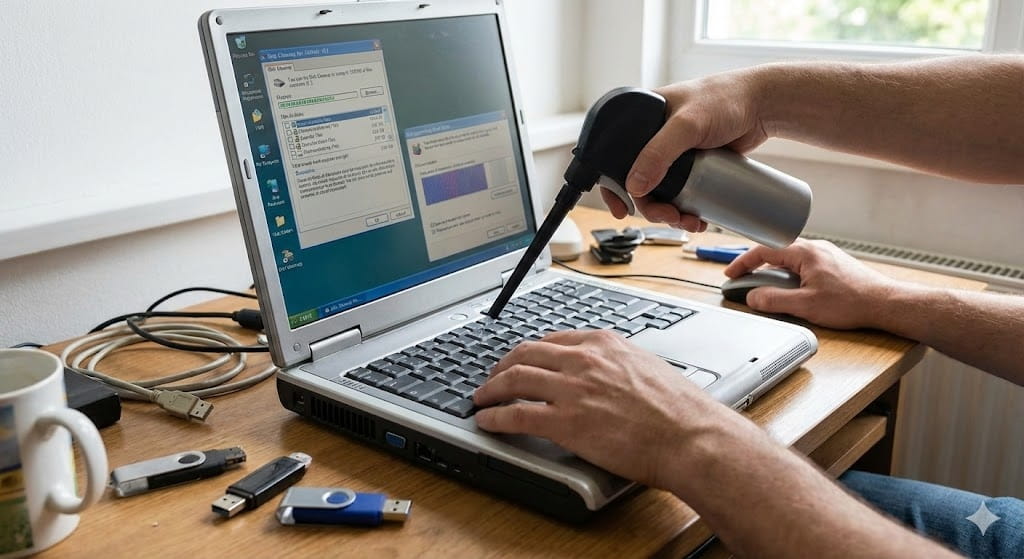
How to speed up an old laptop without upgrading hardware, improve old laptop performance, make slow laptop faster, speed up Windows laptop without upgrading RAM, optimize old laptop performance, fix slow laptop Windows 10 and Windows 11, and boost laptop speed without replacing hardware are among the most searched technology solutions today. Many users experience performance issues as laptops age, including slow startup, application lag, freezing, and delayed system response.
Although hardware upgrades like adding RAM or installing SSD drives can improve performance, not everyone wants to spend money or open their device. The good news is that you can significantly improve your laptop’s speed using smart software optimization techniques, system cleanup strategies, and performance tuning methods. This comprehensive guide explains why old laptops become slow, how to identify performance bottlenecks, and step-by-step proven methods to make an old laptop run faster without upgrading hardware.
Why Old Laptops Become Slow Over Time
Laptop performance naturally decreases as operating systems, applications, and files accumulate over time. Understanding the root causes helps apply the correct optimization solutions.
Main Reasons Old Laptops Slow Down
- Too many startup programs
- Background applications consuming memory
- Fragmented or cluttered storage
- Outdated operating system or drivers
- Malware or unnecessary software
- Temporary and cache file accumulation
- Visual effects consuming system resources
Signs Your Laptop Needs Performance Optimization
Recognizing early warning signs helps prevent severe slowdown.
Common Slow Laptop Symptoms
- Long startup or shutdown times
- Applications opening slowly
- Frequent freezing or lagging
- High CPU or memory usage
- Browser performance slowdown
- Delayed file opening or saving
Performance Impact Factors in Old Laptops
| Performance Factor | Impact Level | Optimization Difficulty |
|---|---|---|
| Startup Programs | High | Easy |
| Temporary Files | Medium | Easy |
| Malware or Bloatware | High | Medium |
| Background Processes | High | Medium |
| Visual Effects | Medium | Easy |
| Storage Fragmentation | Medium | Medium |
Step-by-Step Guide to Speed Up an Old Laptop Without Upgrading Hardware
Step 1: Disable Unnecessary Startup Programs
Startup programs slow down boot time and consume memory.
Why Startup Optimization Improves Speed
- Reduces system load during startup
- Frees RAM memory
- Improves system responsiveness
How to Disable Startup Programs
- Press Ctrl + Shift + Esc to open Task Manager
- Go to Startup tab
- Disable unnecessary applications
Step 2: Uninstall Unused Programs
Many laptops contain unused software that consumes storage and system resources.
How Removing Software Improves Performance
- Frees storage space
- Reduces background processes
- Prevents software conflicts
How to Remove Programs
- Go to Settings → Apps → Installed Apps
- Remove unused or suspicious applications
Step 3: Clean Temporary Files and Cache
Temporary files accumulate and slow down system performance.
How to Delete Temporary Files
- Press Windows + R
- Type temp
- Delete all files
- Repeat process using %temp%
Step 4: Use Disk Cleanup Tool
Windows Disk Cleanup removes unnecessary system files.
Files Removed by Disk Cleanup
- Temporary internet files
- Windows update leftovers
- System error memory dumps
- Recycle bin files
Step 5: Disable Windows Visual Effects
Visual animations consume CPU and memory resources.
How to Disable Visual Effects
- Open Advanced System Settings
- Select Performance Settings
- Choose Adjust for Best Performance
Step 6: Optimize Background Processes
Background services often consume hidden system resources.
How to Manage Background Apps
- Go to Settings → Privacy → Background Apps
- Disable unnecessary applications
Step 7: Update Windows Operating System
System updates improve performance and stability.
Benefits of Updating Windows
- Fix performance bugs
- Improve system compatibility
- Optimize resource management
Step 8: Update Device Drivers
Outdated drivers reduce system efficiency.
Important Drivers to Update
- Graphics driver
- Network adapter
- Storage controller
- Chipset driver
Step 9: Run Antivirus and Malware Scan
Malware secretly consumes system resources.
Signs Malware Slows Laptop
- Unknown programs running
- High CPU usage without activity
- Browser redirections
- Sudden system slowdown
Run full antivirus system scan regularly.
Step 10: Free Up Storage Space
Low storage capacity dramatically reduces system performance.
Ideal Storage Space Recommendation
- Keep at least 20% storage free
- Remove large unused files
- Transfer files to external storage
Step 11: Defragment Hard Drive (HDD Only)
File fragmentation slows file access speed.
How Defragmentation Helps
- Organizes file structure
- Improves file access speed
- Reduces system lag
⚠️ Do not defragment SSD drives.
Step 12: Adjust Virtual Memory Settings
Virtual memory supports RAM during heavy workload.
How to Increase Virtual Memory
- Open Advanced System Settings
- Performance → Advanced → Virtual Memory
- Set custom size based on system RAM
Step 13: Reduce Browser Resource Usage
Web browsers consume large memory resources.
Browser Optimization Tips
- Limit open tabs
- Remove unused extensions
- Use lightweight browsers
- Clear browser cache regularly
Step 14: Disable Search Indexing
Search indexing speeds up file search but consumes background resources.
How to Disable Indexing
- Open Services
- Locate Windows Search
- Disable service
Step 15: Adjust Power Settings for Performance
Power saving modes limit CPU performance.
How to Set High Performance Mode
- Control Panel → Power Options
- Select High Performance
Step 16: Restart Laptop Regularly
Many users keep laptops running continuously, causing memory overload.
Benefits of Regular Restart
- Clears RAM memory
- Stops background conflicts
- Refreshes system processes
Windows Performance Optimization Comparison
| Optimization Method | Performance Improvement | Difficulty |
|---|---|---|
| Startup Optimization | High | Easy |
| Disk Cleanup | Medium | Easy |
| Malware Removal | High | Medium |
| Visual Effects Disable | Medium | Easy |
| Virtual Memory Adjustment | Medium | Medium |
Software That Slows Old Laptops Most
Resource-Heavy Applications
- Video editing software
- Gaming platforms
- Cloud synchronization tools
- Third-party antivirus programs
- System optimization tools running continuously
How Overheating Affects Laptop Performance
Excessive heat forces CPU throttling and reduces processing speed.
Overheating Prevention Tips
- Use laptop on hard surface
- Clean ventilation areas
- Avoid blocking air vents
- Use cooling pads
Best Lightweight Software Alternatives
Replace Heavy Programs With Lightweight Options
| Heavy Software | Lightweight Alternative |
|---|---|
| Chrome Browser | Microsoft Edge / Brave |
| Photoshop | Paint.NET |
| Microsoft Office | LibreOffice |
Advanced Optimization Techniques
Use Performance Monitoring Tools
Performance monitoring helps detect system bottlenecks.
Check Reliability Monitor
Reliability Monitor identifies system crashes and performance errors.
User Habits That Slow Down Laptops
Common Mistakes
- Installing too many applications
- Ignoring system updates
- Using cracked or unsafe software
- Running multiple heavy programs simultaneously
Estimated Performance Improvement Results
| Optimization Level | Expected Speed Improvement |
|---|---|
| Basic Cleanup | 20% – 35% |
| Moderate Optimization | 35% – 60% |
| Full Software Optimization | 60% – 80% |
Preventive Maintenance Tips for Old Laptops
Weekly Maintenance Checklist
- Remove temporary files
- Scan for malware
- Restart laptop
- Check storage usage
Monthly Maintenance Checklist
- Update Windows
- Update drivers
- Clean unused applications
- Review startup programs
When Software Optimization Is Not Enough
Sometimes hardware limitations prevent significant improvement.
Signs Hardware Upgrade May Be Needed
- Laptop freezes during simple tasks
- System cannot run modern software
- Severe overheating persists
- Extremely slow multitasking performance
Future Windows Optimization Technologies
Microsoft continues improving performance through:
- AI-based resource management
- Improved memory allocation
- Smart background process control
- Enhanced power efficiency algorithms
Conclusion
Learning how to speed up an old laptop without upgrading hardware helps extend device lifespan and improve daily productivity. Most laptop slowdowns occur due to software clutter, excessive background processes, malware infections, or outdated system settings. By applying structured optimization techniques such as disabling startup programs, cleaning temporary files, adjusting visual effects, updating drivers, and managing storage, users can significantly improve laptop performance without spending money on hardware upgrades.
Regular maintenance, safe software installation, and smart system management habits ensure long-term laptop performance stability and efficiency.
Frequently Asked Questions (FAQ)
Can I make my old laptop faster without upgrading hardware?
Yes. Software optimization, startup cleanup, malware removal, and system tuning significantly improve performance.
Does deleting temporary files improve laptop speed?
Yes. Removing temporary files frees storage space and improves system responsiveness.
Should I disable startup programs to speed up laptop?
Yes. Reducing startup programs improves boot time and overall system performance.
Does overheating slow down laptops?
Yes. High temperatures reduce CPU performance and cause system lag.
Is defragmenting hard drive safe?
Yes, but only for HDD drives. SSD drives should not be defragmented.
How often should I clean my laptop system?
Basic cleanup should be done weekly, while full system optimization should be done monthly.